The Diving King
/ Master Thesis Project
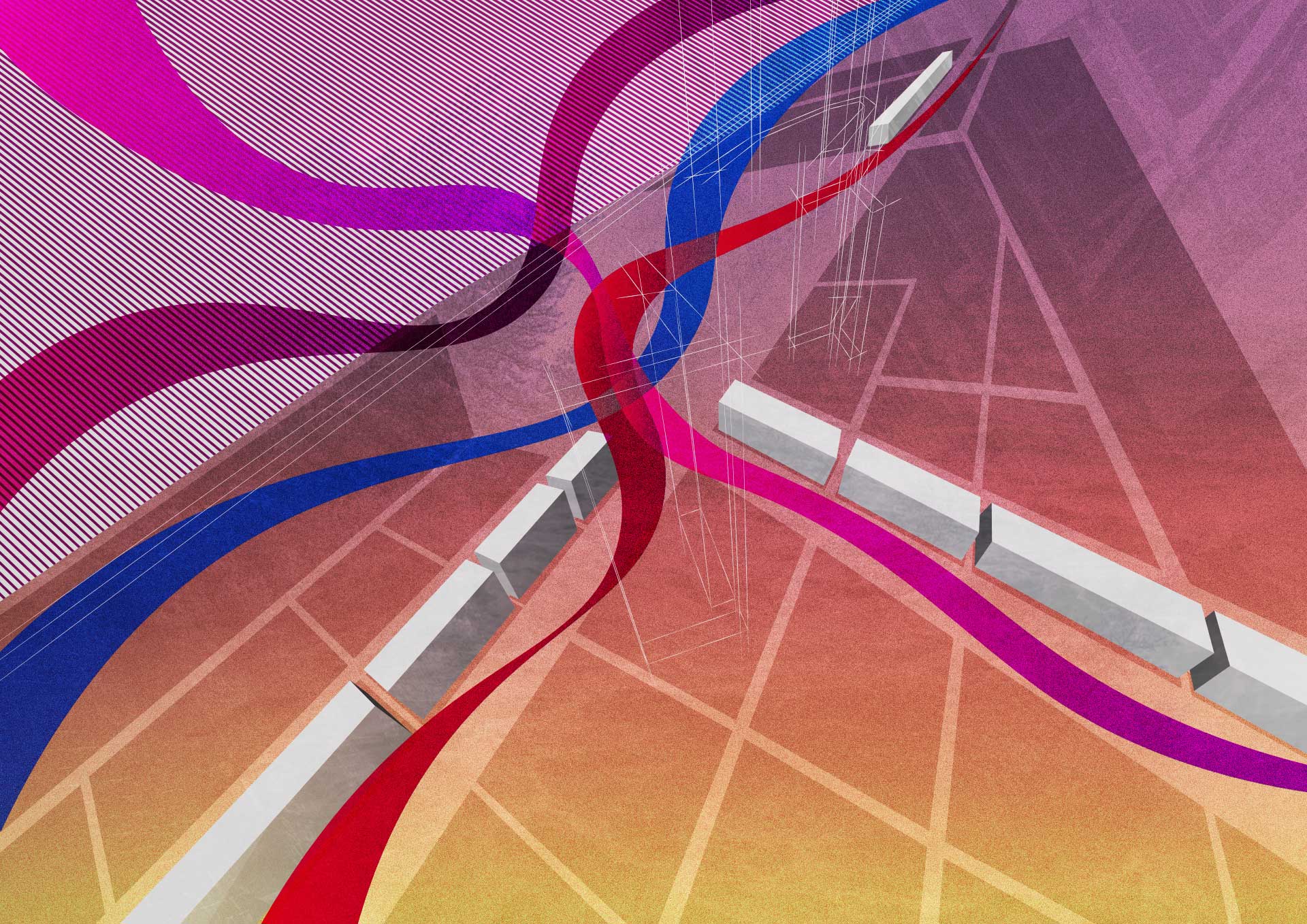
Columbia's expansion in Manhattanville
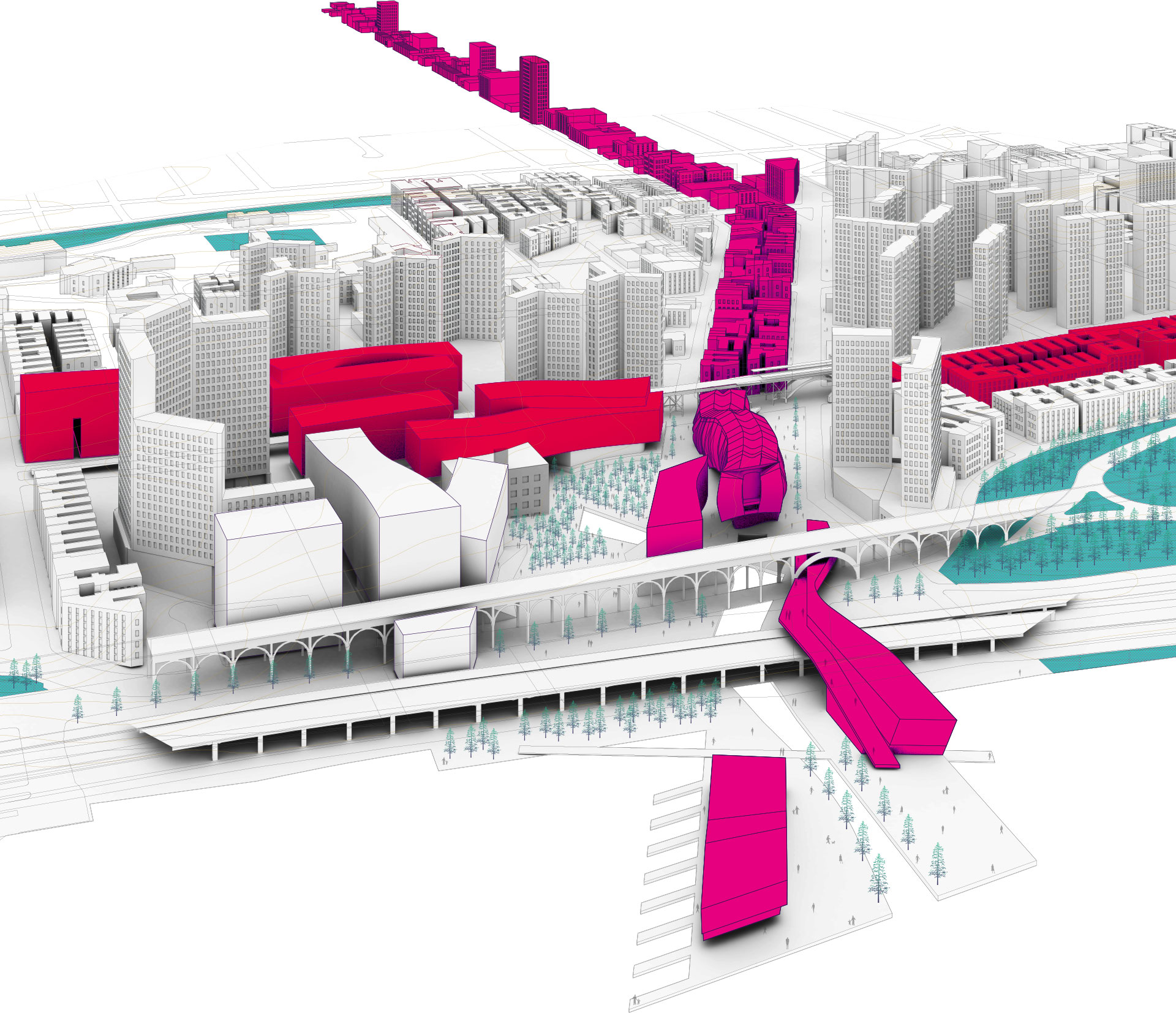
The project developed during the last year of my Master in Architecture at Politecnico di Milano served as the base for my thesis work. This involved the redesign of Columbia University's expansion in Manhattanville, originally designed by RPBW.
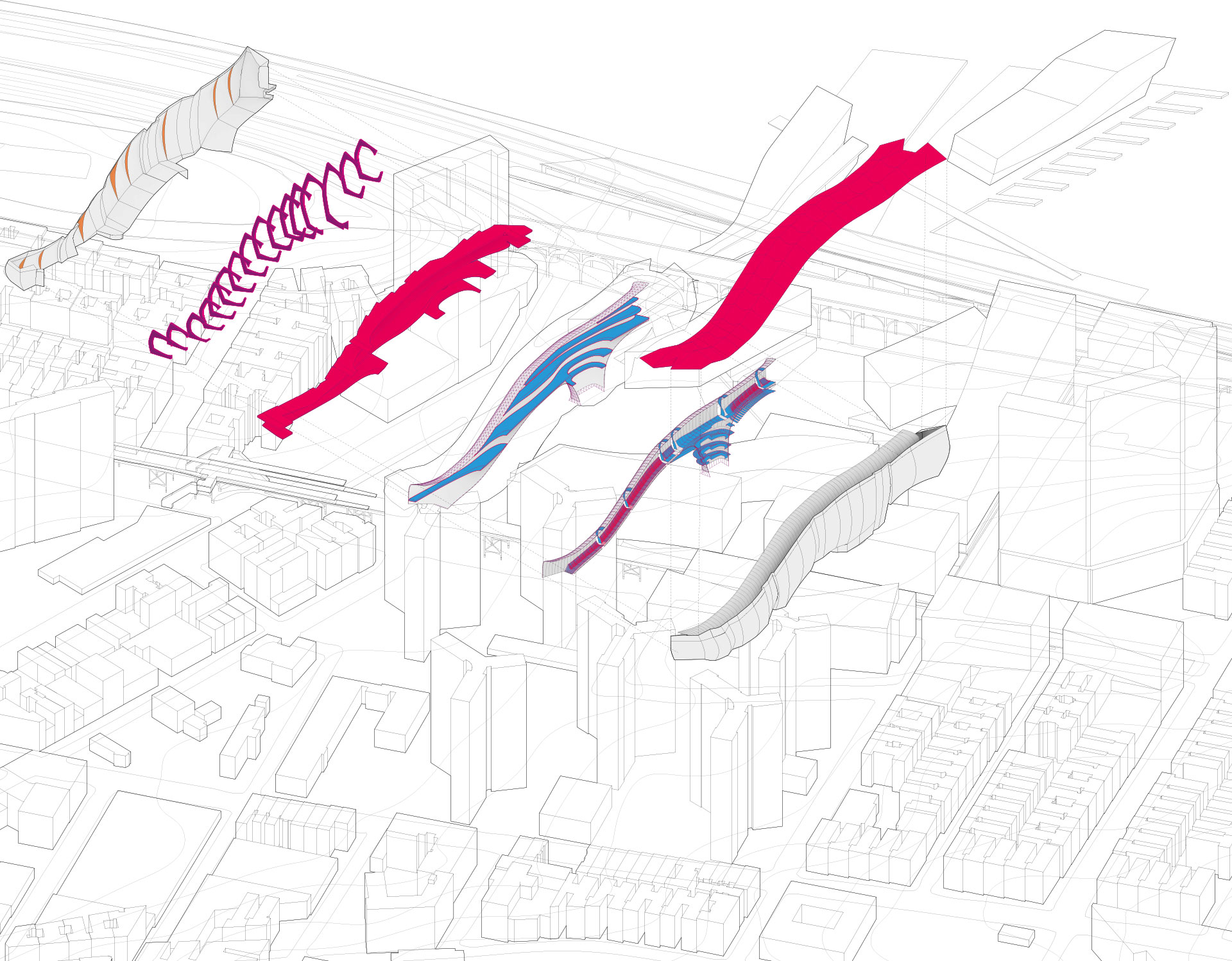
The design is aimed at the Re-Integration of Building-City-Territory, or the so-called by Bruno Zevi, Urbarchitecture. In fact, the project tries to disintegrate the separation between the scales of architecture by conceiving the design as a unicum where the complexity of the exterior and the demands of the interior spaces collaborate, generating the organism.
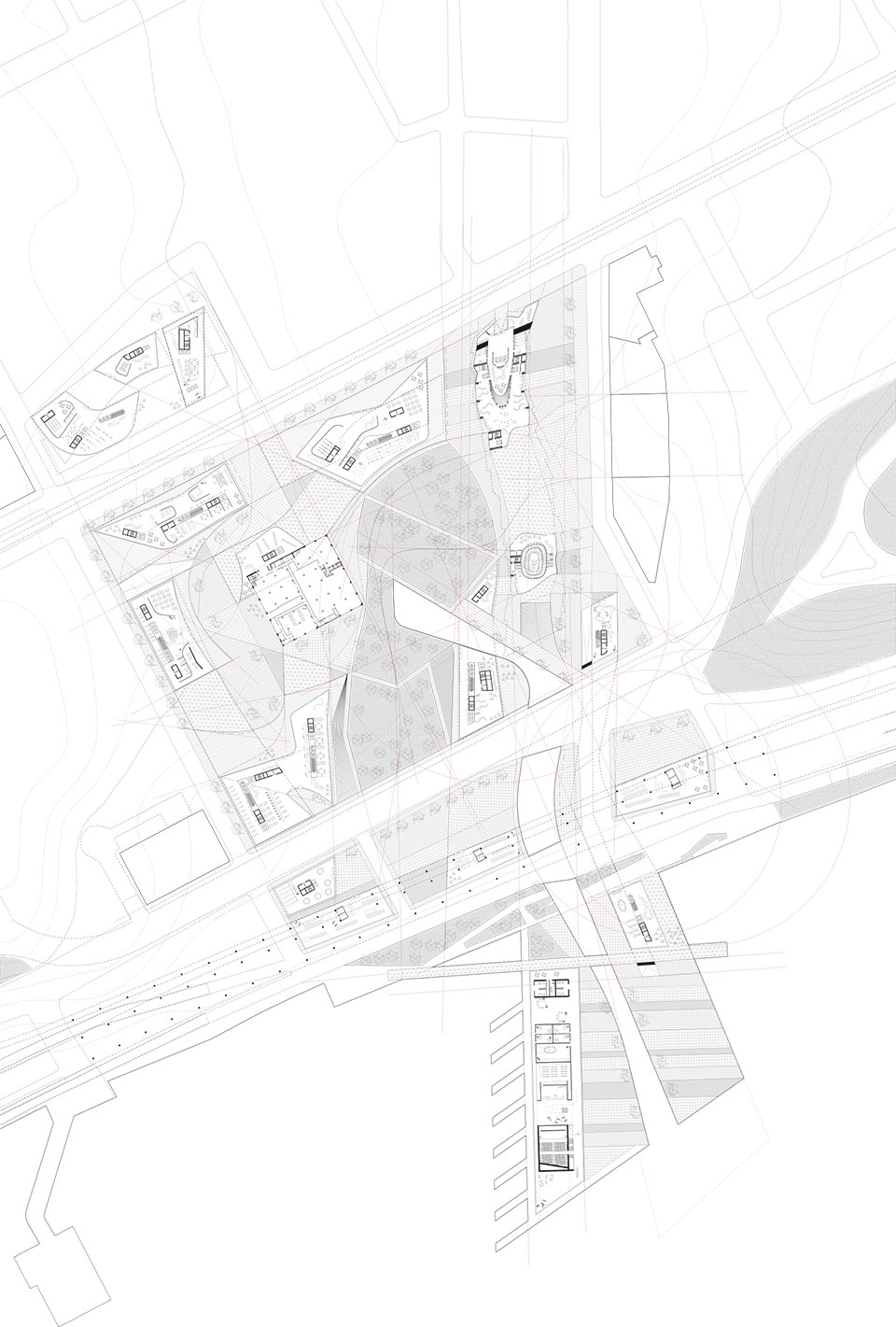
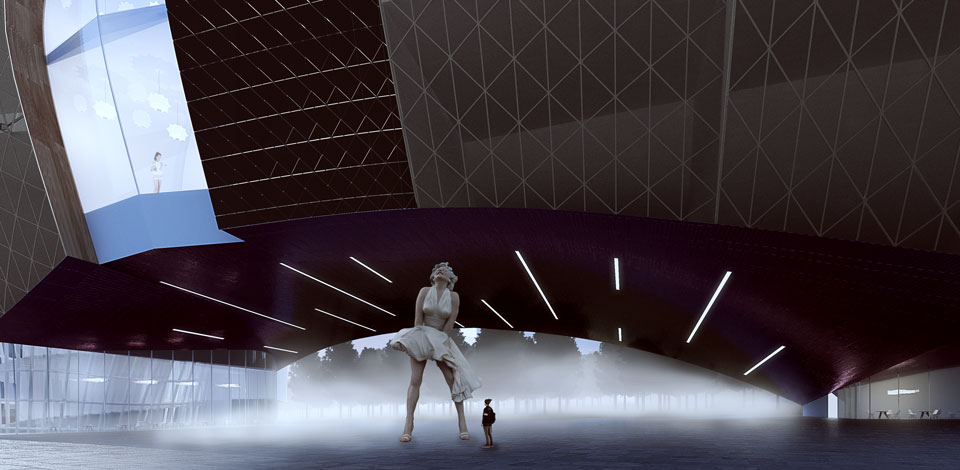
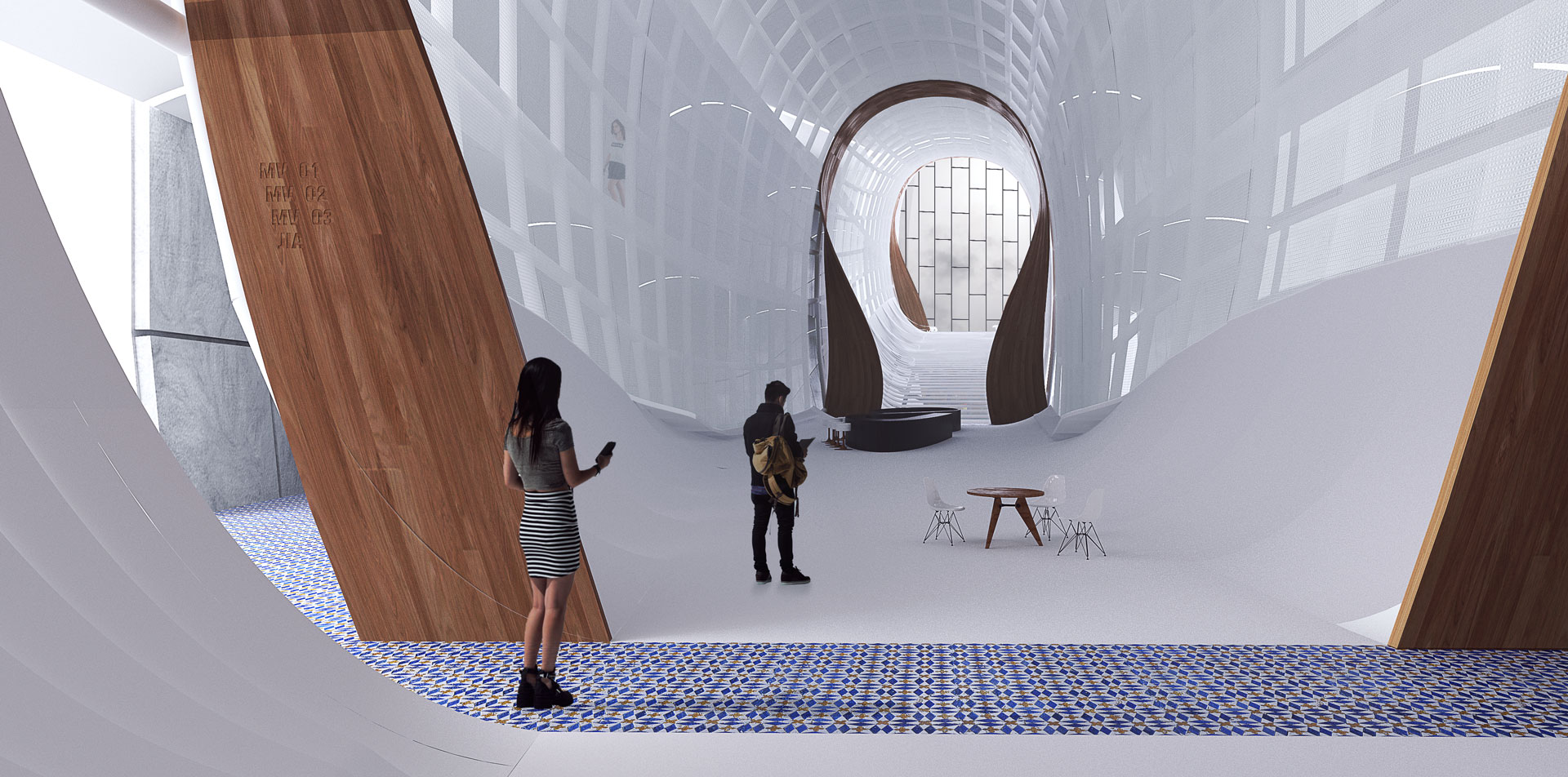
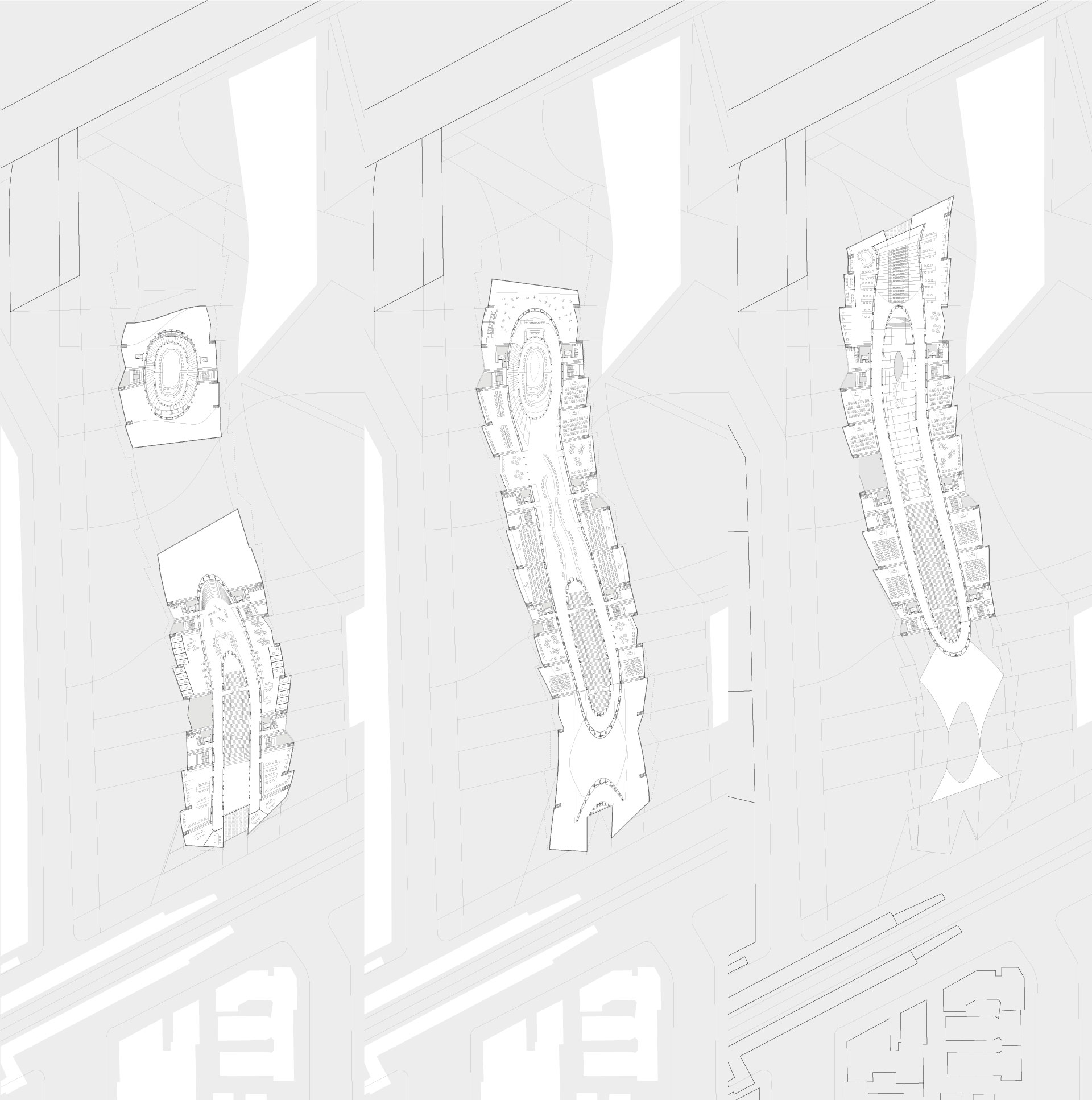
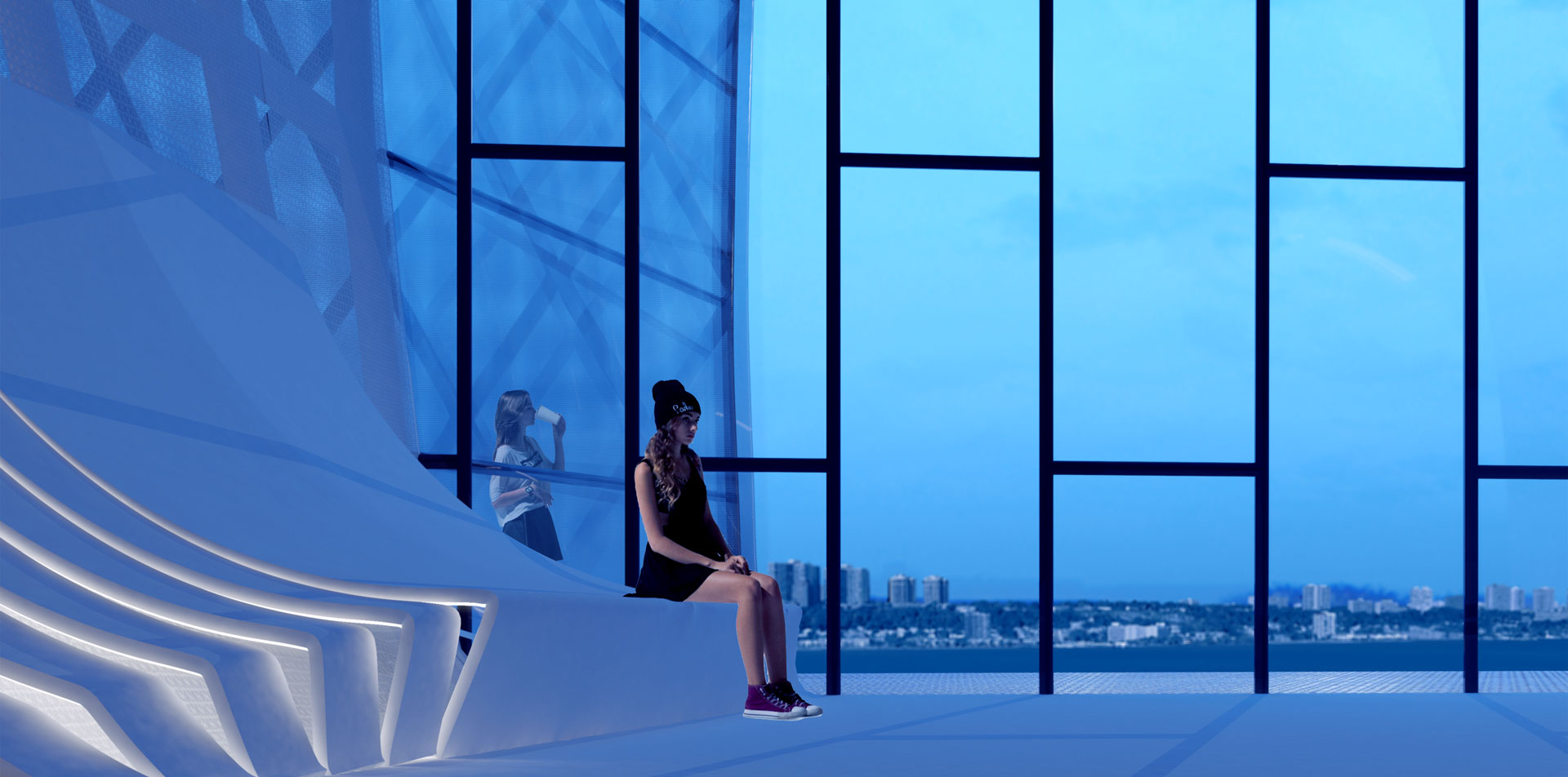
The developed building hosts the SIPA, School of International and Public Affairs, and plays a fundamental role as a neuralgic point for all flows. Its position places it at the crossroads of Broadway and 125th Street, where it begins to rise. Going up, it facilitates the metamorphosis between the street and the park until it overcomes the viaduct and offers a view of the Hudson River, New Jersey, United States, Pacific Ocean, and Japan.
An integrated design
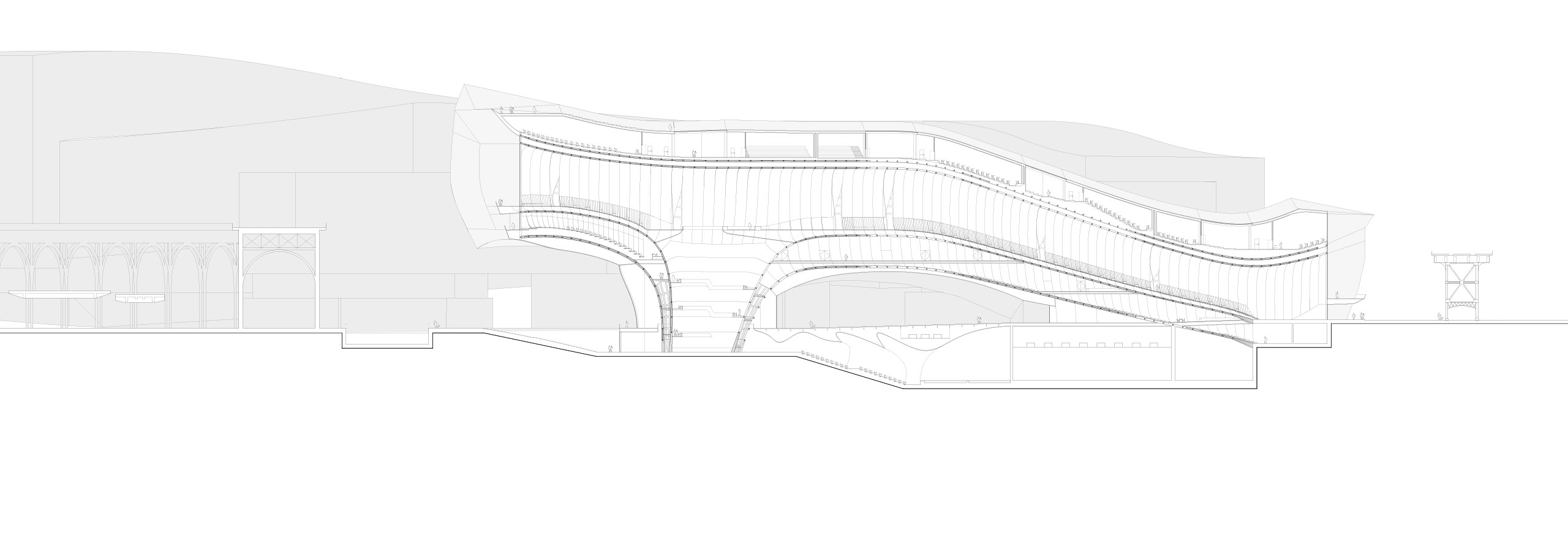
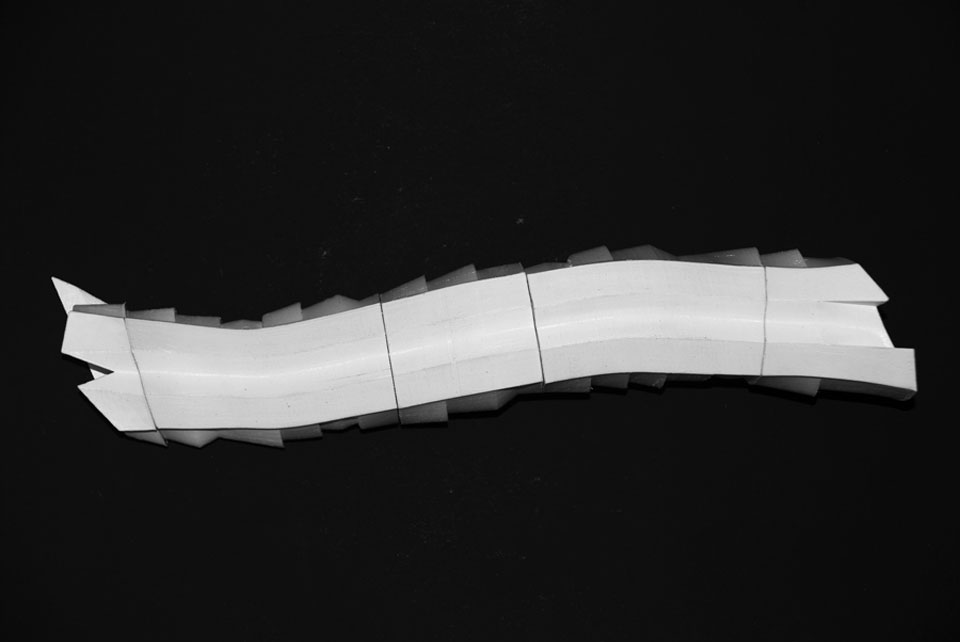
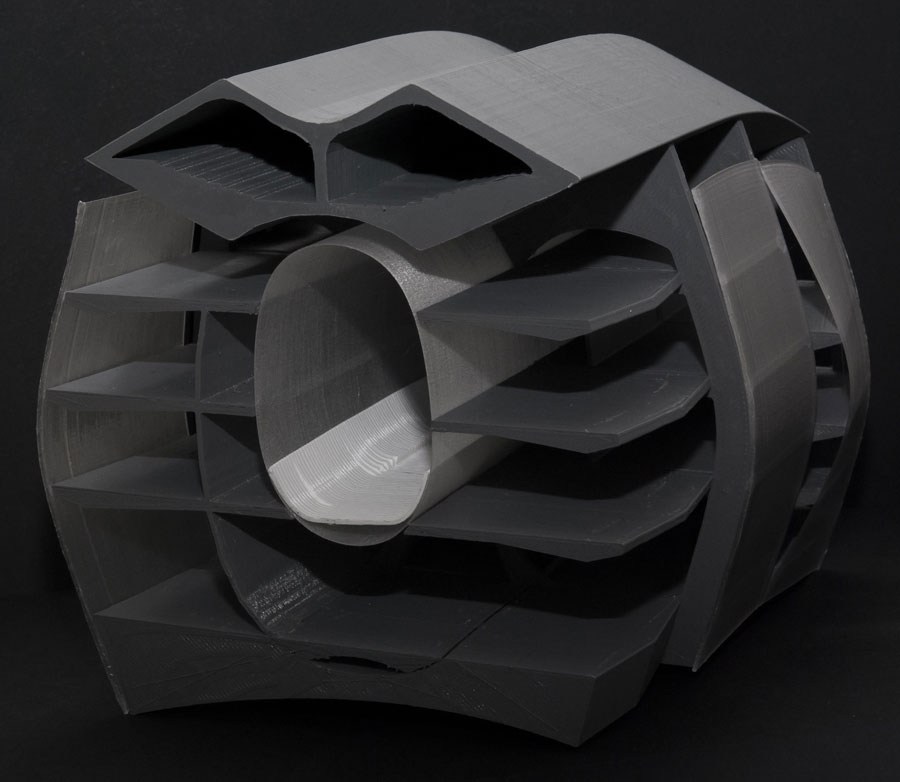
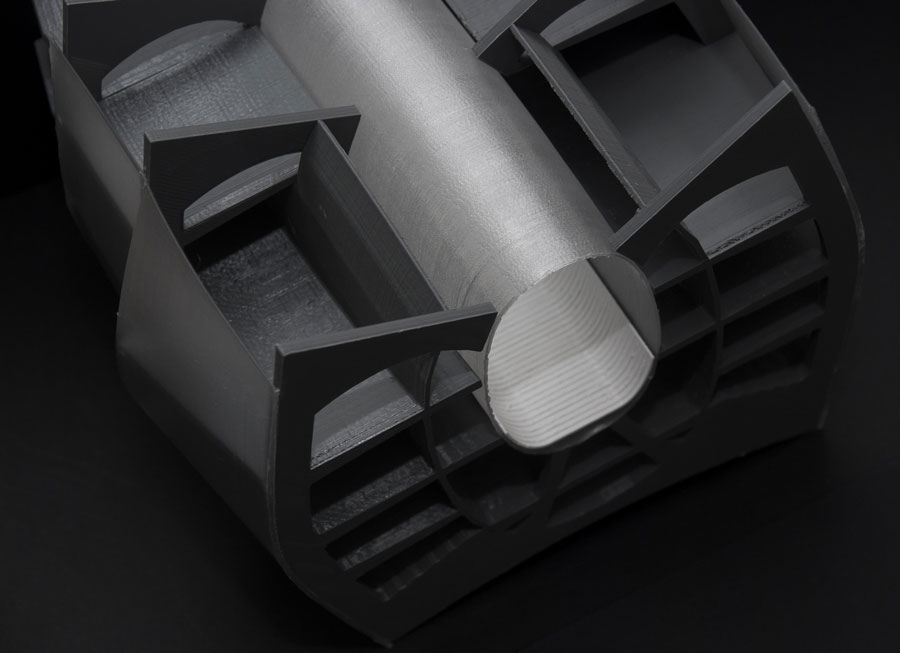
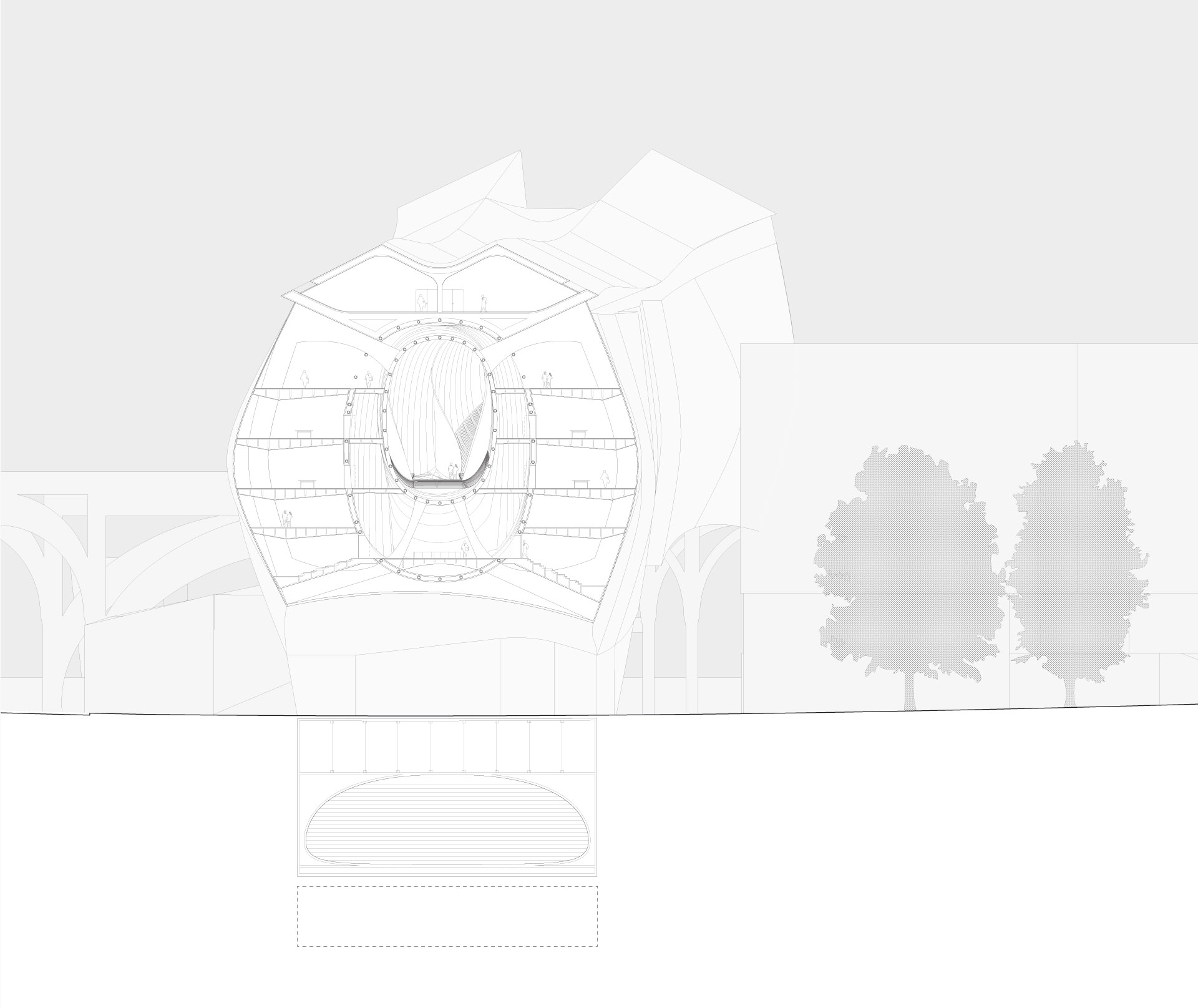
To solve urban problematics with better living internal solutions, the building is inspired by the nature and animal world. Study spaces are muscles grasped to a skeleton through ribs. The skeleton is so big as to be inhabited and work as a distribution space and gallery. Conquering height through the central space, it overcomes the infrastructures to conclude in a loggia on America.
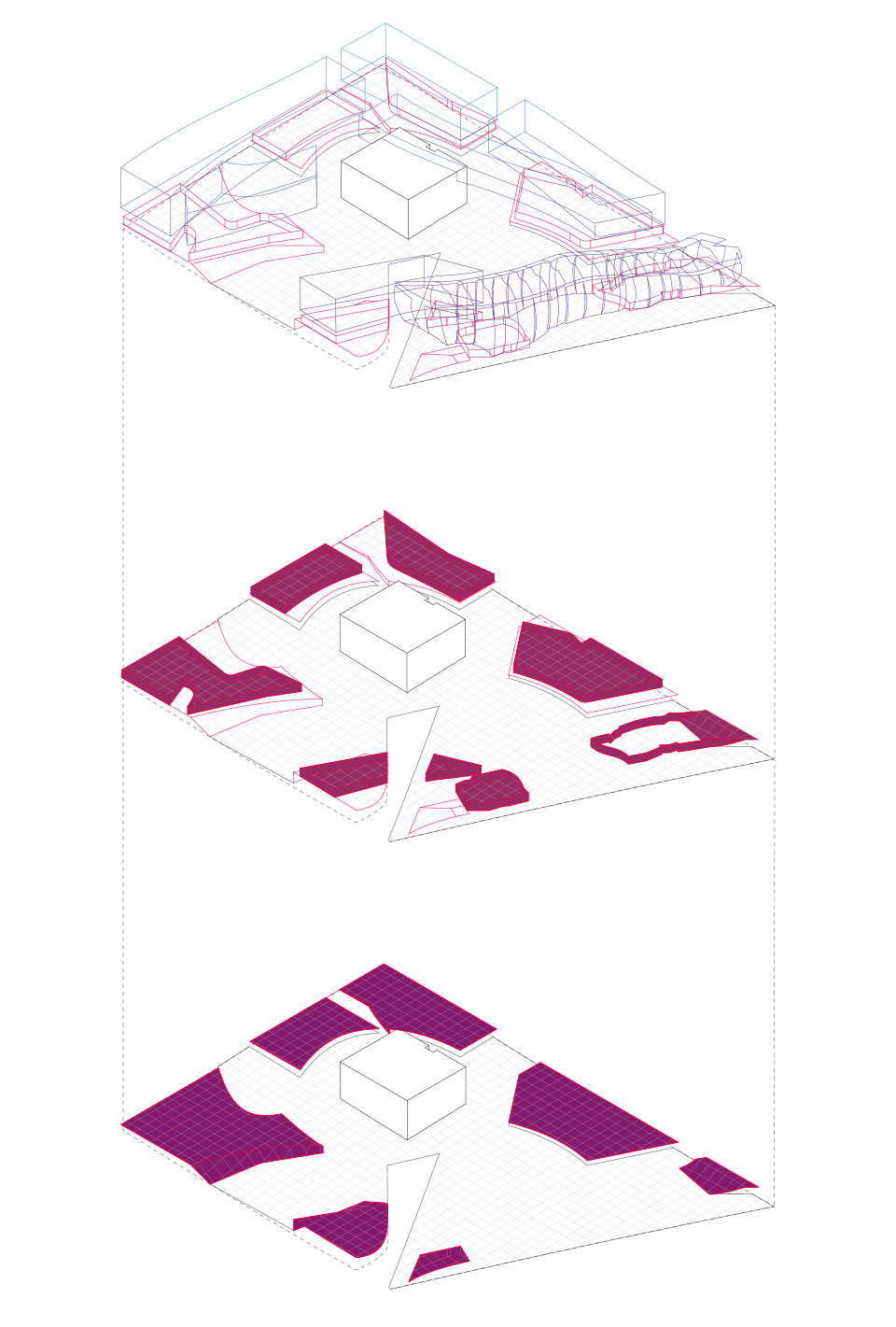
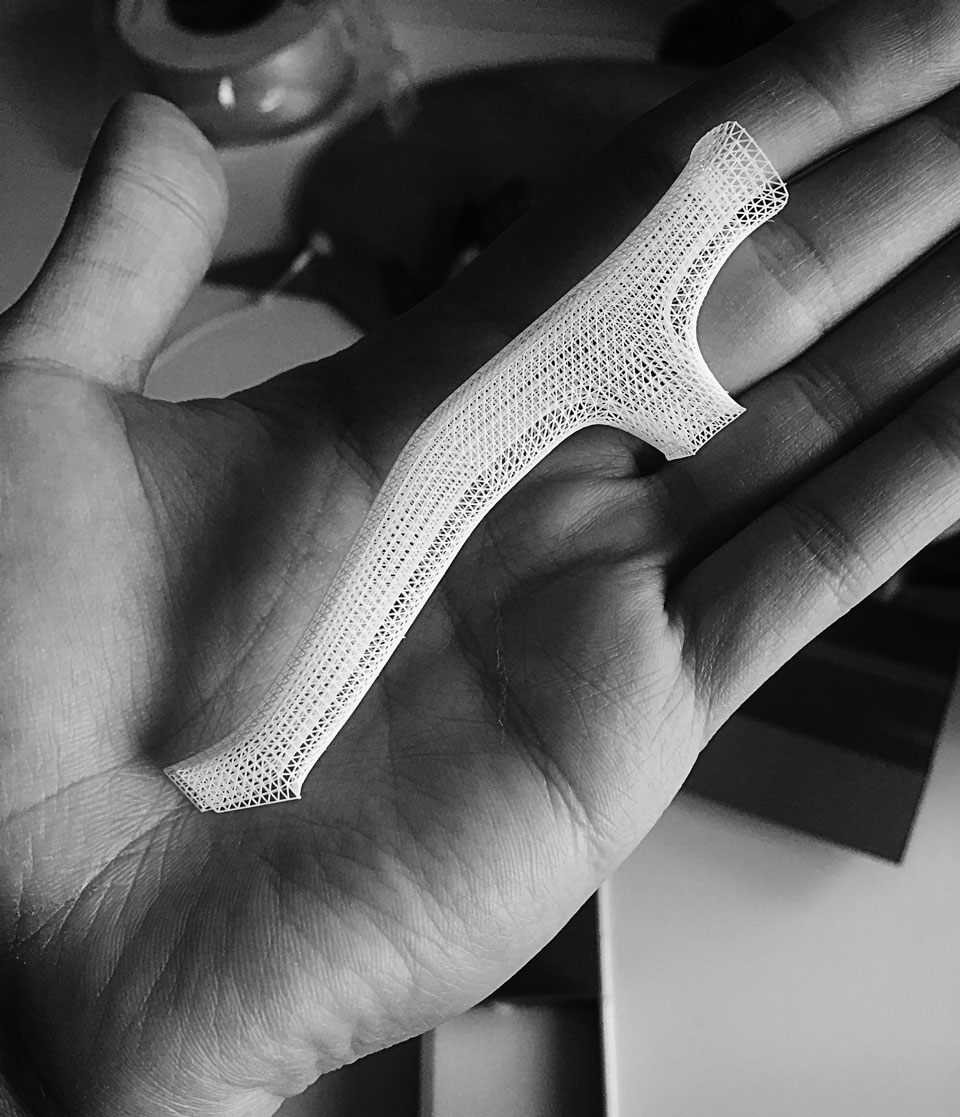
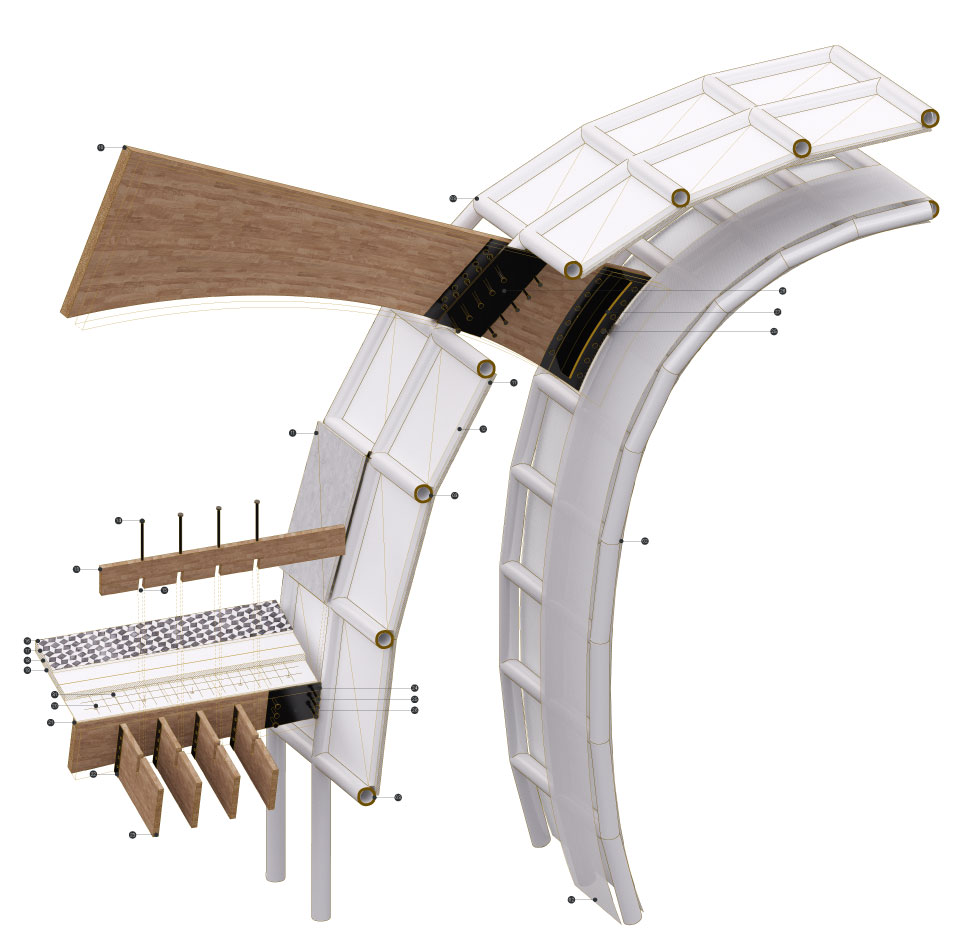
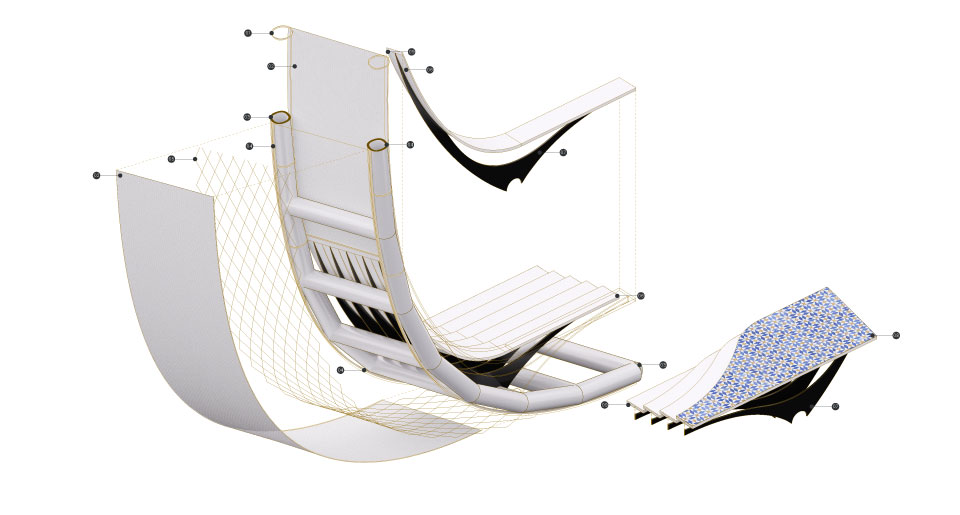
The structure is composed of a double skeleton big enough to be inhabited and made of finite elements. Like the spine bones, which are so big as to contain the spinal cord, the structure is big enough to contain the main distribution space.
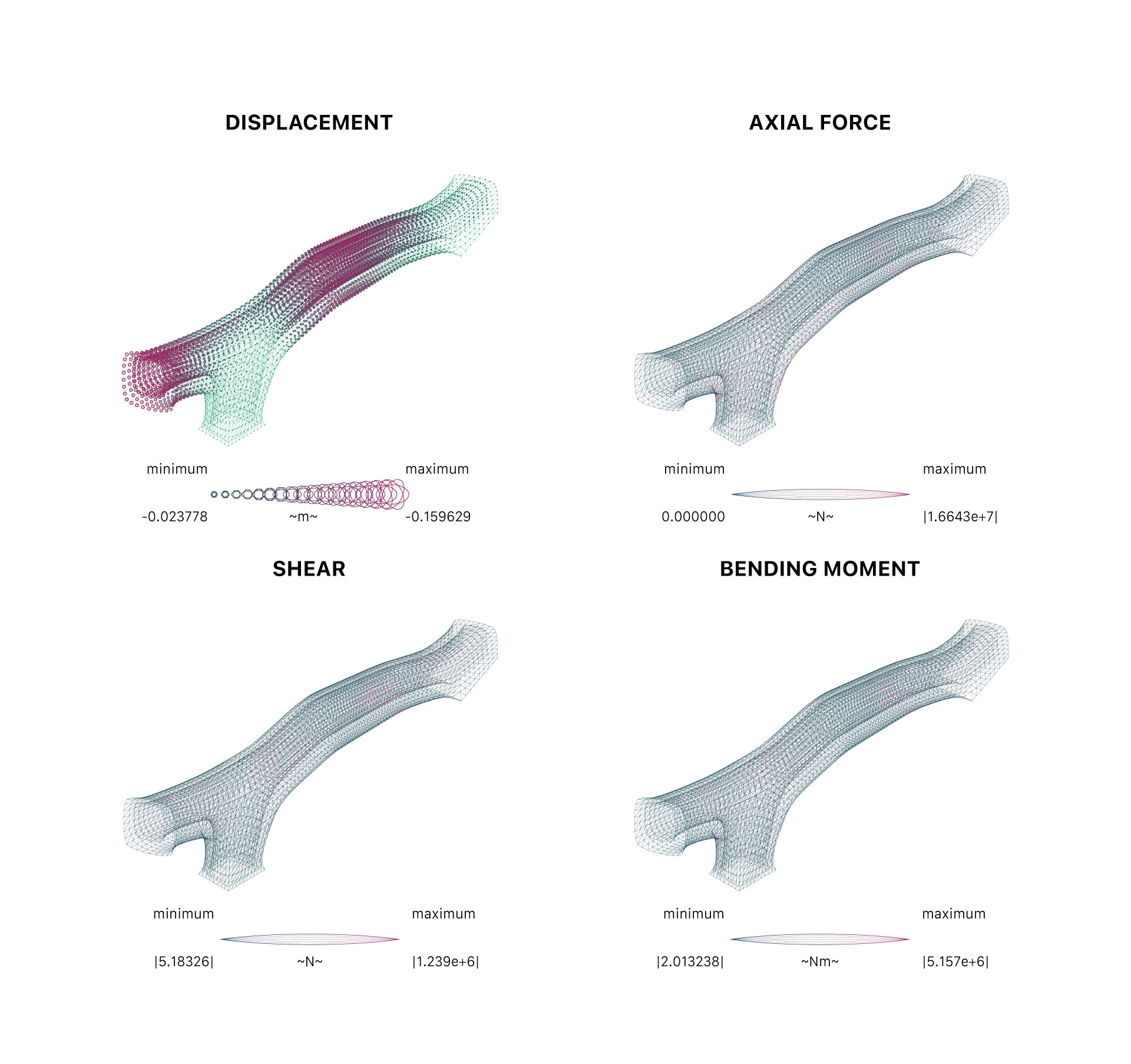
The structure is form-resistant and results from an evolution of the form from early tests to the final double tubular shape. The final shape has been obtained with algorithms using Grasshopper and GeometryGym.